Discover the Versatile Clay Cutter STL File Lined Paper- Back T for Your Crafting Needs
Welcome to a world of endless creativity with our Clay Cutter STL File Lined Paper- Back T. This digital treasure trove is perfect for anyone looking to craft unique and personalized items, from jewelry to cookie cutouts. Whether you're a seasoned crafter or just starting out, these STL files are designed to make your 3D printing experience seamless and enjoyable.
Why Choose Our Clay Cutter STL Files?
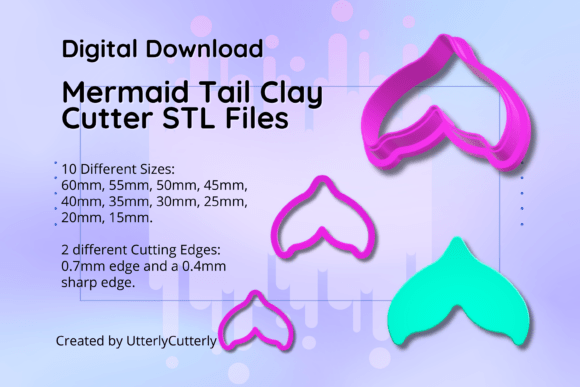
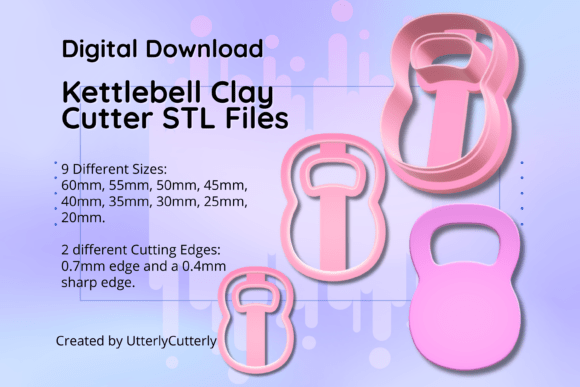
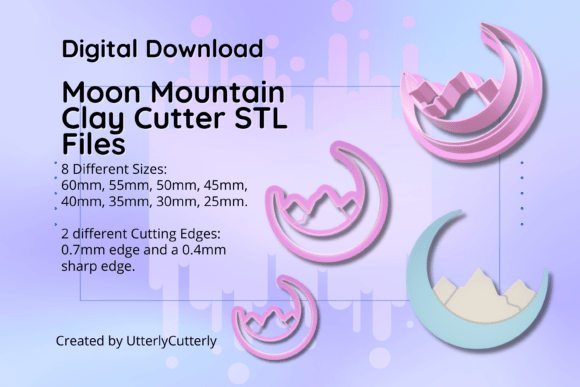
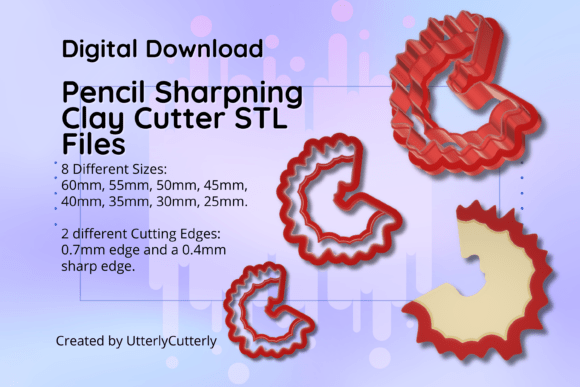
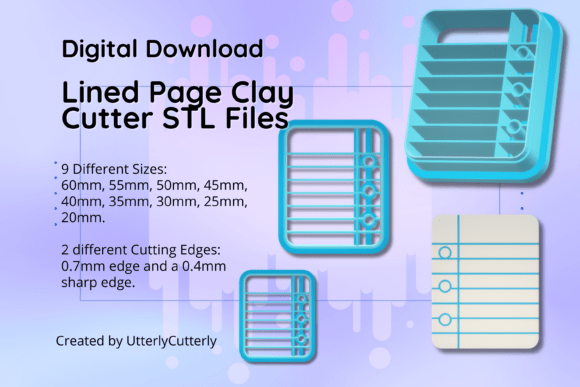
Our collection offers an array of delightful and flexible designs, with new STL files added weekly. Each pack includes 9 different sizes and 2 cutting edge types, providing you with the versatility to create custom and unique projects. The sizes range from 60mm to 20mm, ensuring you can find the perfect fit for any project.
Avoid Common Mistakes When Using STL Files
While the possibilities with Clay Cutter STL File Lined Paper- Back T are vast, there are a few common pitfalls that can affect the quality and usability of your final product. Here’s how to avoid them:
- Mistake: Ignoring File Compatibility - Before downloading, ensure your 3D printer supports the file format. Most modern printers support STL files, but it's always better to check.
- Mistake: Overlooking Cutting Edge Types - We offer two types: a 0.7mm wall with a 0.7mm cutting edge (SE) and a 1mm support wall with a 0.4mm cutting edge. Choosing the right type for your project is crucial for clean cuts and professional results.
- Mistake: Neglecting Base Thickness - Both cutter types have a 3mm thick base, which provides stability. However, if you need a thinner or thicker base, consider adjusting the settings in your 3D printing software.
- Mistake: Disregarding Embossing Line Heights - If your design includes embossing lines, they are 10.5mm tall. Make sure your clay or dough can accommodate this height to avoid smudging or uneven imprints.
Practical Advice for Optimal Results
To get the most out of your Clay Cutter STL File Lined Paper- Back T, follow these practical tips:
- Check Your Printer Settings - Ensure your 3D printer is set to the correct resolution and layer height. This will help achieve a smooth and detailed finish on your cutters.
- Test Print Smaller Sizes First - Start with smaller sizes to test the print quality and adjust as needed. This saves time and material in the long run.
- Use High-Quality Filament - The quality of your filament directly impacts the durability and appearance of your cutters. Invest in a good, reliable brand for the best results.
- Clean and Prepare Your Bed - A clean and well-prepared print bed ensures adhesion and prevents warping. Use a suitable adhesive, such as hairspray or a specialized bed adhesive.
- Post-Processing Tips - After printing, remove any excess material and smooth out rough edges. This step is crucial for a professional and polished look.
Realistic Examples and Better Approaches
Imagine you’re crafting a set of earrings. By choosing the Sharp Edge (SE) type, you can achieve clean, precise cuts, making your earrings look more refined and professional. For a baking project, using the 0.7mm wall type might be more suitable, as it provides a slightly thicker and more durable edge, ideal for cookie cutouts.
Before starting any project, take a moment to review the dimensions and features of each cutter. This will help you select the right size and type, ensuring your final product meets your expectations.
Final Thoughts
The Clay Cutter STL File Lined Paper- Back T is a versatile and valuable tool for any crafter. By avoiding common mistakes and following the practical advice outlined above, you can create beautiful, high-quality projects that stand out. Whether you’re gifting, selling, or simply enjoying the creative process, these STL files are a must-have in your crafting arsenal.
Happy crafting, and may your projects be both beautiful and successful!