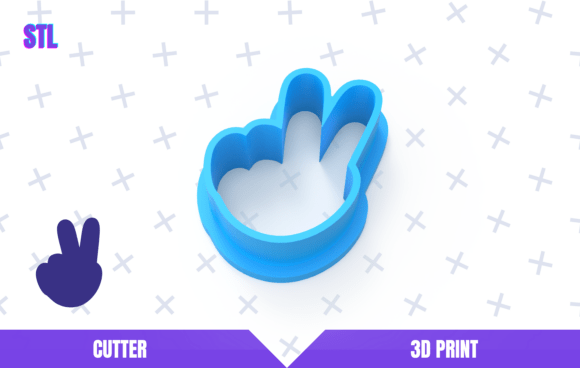
Peace Hand Cookie Cutter STL File: A Creative Addition to Your Baking Toolkit
Welcome to the world of 3D printed cookie cutters! The Peace Hand Cookie Cutter STL File is a versatile and creative tool for bakers who want to add a unique touch to their cookies. This digital download allows you to print your own cookie cutter at home using a 3D printer, making it a perfect choice for both beginners and experienced bakers.
Why Choose the Peace Hand Cookie Cutter STL File?
The Peace Hand Cookie Cutter STL File offers several advantages that make it a popular choice among bakers. Firstly, it's a digital file, which means you can download it instantly and start printing right away. Additionally, the STL format is widely supported by most 3D printers, ensuring compatibility and ease of use. Whether you're baking for a special occasion or just for fun, this cookie cutter adds a meaningful and artistic element to your creations.
Avoiding Common Mistakes with the Peace Hand Cookie Cutter STL File
While the Peace Hand Cookie Cutter STL File is a fantastic tool, there are some common mistakes that can affect the quality and usability of your final product. Here’s how to avoid them:
Ignoring Slicer Settings
One of the most frequent mistakes is not adjusting the slicer settings properly. The slicer program is crucial for determining the size, thickness, and overall quality of your printed cookie cutter. Make sure to fine-tune these settings to ensure the best possible outcome. For example, if you want a more detailed and precise cookie cutter, you might need to adjust the layer height and infill density.
Using Low-Quality Filament
The quality of the filament you use can significantly impact the final result. Using low-quality filament can lead to a brittle and less durable cookie cutter. Invest in high-quality, food-safe filament to ensure that your cookie cutter is both safe and long-lasting. Check the filament specifications to ensure it is suitable for food contact and has good adhesion properties.
Overlooking Print Bed Adhesion
Another common issue is poor print bed adhesion, which can cause the cookie cutter to warp or detach during the printing process. To prevent this, make sure your print bed is clean and level. You can also use a bed adhesive, such as a glue stick or a specialized print bed spray, to enhance adhesion. Additionally, consider using a raft or a brim to provide extra support and stability.
Not Testing the Size and Fit
Before you start baking, it’s essential to test the size and fit of your cookie cutter. Print a small test version to ensure it meets your expectations. This step can help you avoid the frustration of having a cookie cutter that is too small or too large for your needs. Adjust the size in your slicer program until you achieve the perfect fit.
Practical Advice for Using the Peace Hand Cookie Cutter STL File
To get the most out of your Peace Hand Cookie Cutter STL File, follow these practical tips:
- Start with a Test Print: Always begin with a small test print to check the quality and fit. This will help you identify any issues early on and make necessary adjustments.
- Use High-Quality Filament: Invest in high-quality, food-safe filament to ensure that your cookie cutter is both safe and durable. Look for filaments that are specifically designed for food contact and have good adhesion properties.
- Adjust Slicer Settings Carefully: Fine-tune your slicer settings to achieve the desired size, thickness, and detail. Experiment with different layer heights and infill densities to find the best combination for your project.
- Ensure Proper Print Bed Adhesion: Clean and level your print bed, and use a bed adhesive if needed. Consider adding a raft or a brim to provide extra support and stability during the printing process.
- Store Your Cookie Cutter Properly: After printing, store your cookie cutter in a cool, dry place to maintain its shape and quality. Avoid exposing it to extreme temperatures or direct sunlight, which can cause warping or discoloration.
What to Check Before Using the Peace Hand Cookie Cutter STL File
Before you start using the Peace Hand Cookie Cutter STL File, make sure to check the following:
- Compatibility with Your 3D Printer: Ensure that your 3D printer supports the STL format and can handle the file size and complexity. Check the manufacturer’s specifications and user manual for guidance.
- Filament Quality and Safety: Verify that the filament you are using is high-quality and food-safe. Look for certifications and reviews to confirm its suitability for food contact.
- Slicer Program Settings: Familiarize yourself with the slicer program and its settings. Adjust the parameters to achieve the desired size, thickness, and detail. Refer to the slicer’s documentation and online resources for best practices.
- Print Bed Preparation: Clean and level your print bed, and apply a bed adhesive if necessary. Ensure that the bed is free from debris and has a smooth, even surface.
- Test Print and Adjustments: Perform a test print to check the quality and fit of your cookie cutter. Make any necessary adjustments to the size, thickness, and other settings before proceeding with the final print.
By following these guidelines and avoiding common pitfalls, you can create a beautiful and functional Peace Hand Cookie Cutter that will enhance your baking experience. Happy baking!